
Updated
|
Public School Budget Cuts Translate into Higher Costs for Families
Public school budget cuts are now impacting parents' pocketbooks. Learn about how public schools are now requiring parents to pay for certain school supplies, ranging from printed worksheets to even textbooks.

Budget cuts have forced public schools to reduce their curriculum offerings, increase class sizes, and cut back on teacher positions. However, to fill the fiscal gap, many schools are taking even more drastic measures to reduce their operating costs.

The costs of new textbooks, classroom materials, and even handouts can result in massive school expenses. Subsequently, many public schools are now requiring students to purchase their own materials and books! As a result, many families may be forced to increase their education spending to meet their child’s classroom needs.

This video offers an overview of public K-12 education in the United States.

Cutting Jobs, Classes...and Textbooks?

When schools are faced with budget costs, most districts begin by eliminating faculty positions; however, reducing the number of teachers and administrators can only go so far on the bottom line. If school leaders reduce their faculty numbers, but still have not met their budgetary restrictions, then leaders are forced to develop new, and often controversial, alternatives.

For example, according to ABC News, schools across the state of California are hoping to reduce their spending by using older textbooks for longer periods of time. While California schools have already eliminated various educational programs, along with teaching and faculty positions, these cuts are simply not enough – and new textbooks are literally getting the ax.

In fact, school leaders report that the state of California will not be

. . .read more

Is Your Public School Understaffed? Why Schools are Instituting Hiring Freezes

Updated
|
Is Your Public School Understaffed?  Why Schools are Instituting Hiring Freezes
Explore the trend of hiring freezes in public schools and their impact on education. Learn why schools are implementing these measures and what it means for students and staff.

Is Your Public School Understaffed? Why Schools Are Instituting Hiring Freezes

Amidst nationwide budget cuts, nearly all public schools have been forced to readjust their operations.

  • Subsequently, many schools have been forced to implement hiring freezes, reducing the number of teachers on each campus.
  • In fact, experts found that 72% of polled public schools anticipate more job cuts.

What does this mean for your child?

  • The hiring freezes translate into a larger number of students per classroom, which means less one-on-one attention for every student.
  • Schools are feeling the ramifications of the economy from the East Coast to the West Coast, and so are students.

This video explains the pros and cons of becoming a teacher.

Thousands of Teaching Positions Left Vacant

According to the New York Times, New York area schools are a prime example of the nationwide budget struggles facing public school leaders.

  • For example, just two weeks before the start of the 2009-2010 school year, approximately 1,800 teaching jobs in various New York City public schools remained vacant.
  • While school leaders desperately wanted to fill the teaching job openings, reduced operating funds left leaders with limited options.
  • In fact, the Education Department enforced a mandatory hiring freeze in the spring of 2009, prohibiting hiring new and/or returning teachers until further notice.

Fewer Funds Equals Fewer Teachers

On the West Coast, North Clackamas

. . .read more

How Well is Your School Prepared to Handle the H1N1?

Updated
|
How Well is Your School Prepared to Handle the H1N1?
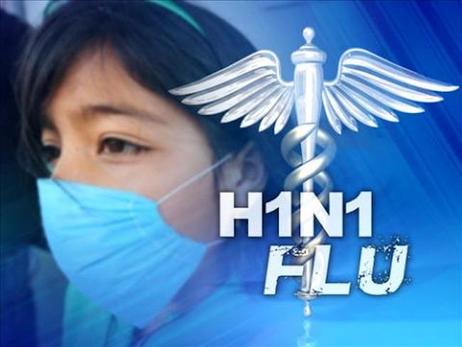
The start of the school year translates into greater risks for the spread of H1N1. Learn about how public schools across the country are combating the risks, as well as what you can do to keep your children safe.

As students return to school after summer, the risk of H1N1 grows stronger. Students confined to close quarters are at greater risk of contracting any type of illness, and this year, the flu is much more serious. To combat the risks of shared seating, enclosed classrooms, and close student contact, public schools are actively creating plans to prevent the spread of H1N1 before the school year begins.

Attempting to Prevent the Spread of H1N1 in Public Schools

As Voice of America News reveals, public schools across the country are preparing for the potentially pandemic spread of H1N1 among their elementary, middle, and high school students. In fact, "Health experts say the illness poses a special risk to schools, which are set to re-open at the start of the flu season."

In an attempt to prevent the spread of this serious virus, some public school leaders are requiring that students receive mandatory vaccinations. While nearly all public schools require kids to have vaccinations for illnesses such as polio and the measles, some leaders believe that students should be vaccinated for H1N1 when the treatment becomes available. Based upon current vaccine testing, students should be able to gain access to the vaccination by October of 2009.

The US Center for Disease Controls (CDC) warns parents and school leaders that the H1N1 could "come back strong this year and trigger a severe flu season," and subsequently, the CDC "is recommending vaccines for several

. . .read more

How Your Child Can Benefit from New Public School Laptop Programs

Updated
|
How Your Child Can Benefit from New Public School Laptop Programs
Learn about new laptop programs being instituted in public schools around the country, as well as how your child's education can benefit from the increased access to technology.

Today's children must be prepared for tomorrow's demands. Considering technology's paramount role in nearly every career and industry, developing technological fluency is important for every child.

Understanding the relationship between technology and education, public schools have begun to incorporate innovative laptop programs to help improve student learning and performance. According to ERIC Digest, laptop programs have been part of organized education practices since 1988; however, these laptop opportunities have only recently gained national popularity in the past few years.

By incorporating laptops into public school classrooms, teachers can enhance the curriculum, providing students extensive research opportunities, access to up-to-date information, and many other learning benefits.

The Learning Benefits of Laptop Programs

As ERIC Digest further reveals, several leading computer companies have actively engaged in research to evaluate the benefits of laptops in public schools. In examining the perks, researchers and instructors report educational advantages, such as:

  • Textbooks are expensive and often outdated, but students can engage in up-to-date research through the internet with laptops.
  • Students can reinforce their lessons through their laptop's technological tools, including study games, class-specific discussion blogs, and other digital resources.
  • Students can edit and correct their writing with greater ease, as the laptops provide students with instant dictionaries, spell-checking tools, and thesaurus resources.
  • Students can become versed in technological tools, which will help provide students with greater preparation for their technology-based careers in the future.
  • Students from different financial backgrounds can have
. . .read more

Bill Gates: The Savior of Public Schools?

Updated
|
Bill Gates: The Savior of Public Schools?
Through the Gates Foundation, Bill Gates has not only donated billions of dollars to public schools, but will now sponsor in-depth research on improving teaching that may change the face of public school education forever.

In addition to monetary donations, Bill Gates has consistently articulated his belief that improving the quality of teachers is one of the most effective ways to enhance student learning.

As The Bellingham Herald noted, researchers have long struggled to define and measure what makes a teacher truly effective. While most parents recognize the impact of a strong teacher, translating that impact into measurable data has proven difficult.

To address this challenge, the Bill and Melinda Gates Foundation committed billions of dollars to research aimed at identifying the key traits of successful educators. One major initiative, the Measures of Effective Teaching (MET) project, explored multiple evaluation methods, including classroom observations, student feedback, and academic growth metrics. A research overview of teacher effectiveness can be found at https://www.rand.org/education-employment-infrastructure/projects/measuring-teacher-effectiveness.html.

Ideas proposed and tested through these initiatives included:

  • Recording and analyzing classroom instruction through video
  • Using student surveys to evaluate teaching effectiveness
  • Incorporating multiple measures beyond standardized test scores
  • Providing targeted professional development based on feedback

These strategies have influenced how many districts approach teacher evaluation today, even as policies have evolved.

In 2026, the conversation has shifted slightly. While accountability remains important, there is increased emphasis on supporting teachers rather than strictly evaluating them. Districts are investing more in coaching, mentorship programs, and ongoing professional learning, recognizing that teacher retention is now as critical as teacher performance. For national data and trends, visit https://nces.ed.gov.

Evolving Strategies in a Changing Education Landscape

Education reform efforts backed by the

. . .read more

Recent Articles

When “Free Public School” Still Isn’t Free
Discover the hidden costs of public school in 2026, from supplies and fees to transportation, technology, and extracurricular expenses.
What a District Budget Cut Means for Your Child's School Experience
Learn how district budget cuts can affect class sizes, programs, staffing, transportation, and your child's daily school experience in 2026.
School Closure Risk: What Parents Should Check Before Moving
Learn how parents can assess school closure risk before buying or renting in a district, using enrollment, funding, and boundary data.