
Updated
|
School Safety & Shootings: 2025 Update
A 2025 update on school safety and shootings, featuring recent data, prevention strategies, and expert perspectives to guide parents and educators.

School Safety: Shootings

Introduction
School safety remains a vital concern for families and educators alike. This article updates the original discussion with the latest 2025 data on school shootings, evolving prevention strategies, and practical insights for safer school communities.

Current Landscape:

Numbers and Trends (2025 Data)

  • According to Education Week, as of September 2, 2025, there have been 8 shootings on K–12 school property resulting in injuries or deaths—leading to 37 people killed or injured, including 4 student deaths. (Education Week)

  • Broader definitions of gun-related incidents on school grounds report as many as 146 incidents nationally in 2025. (Al Jazeera)

  • The Minneapolis Annunciation Catholic School shooting on August 27, 2025, left two children dead and 21 others injured, and is now part of a growing pattern of violence. (The Guardian, Wikipedia)

  • Everytown for Gun Safety has noted this marks the 140th shooting at U.S. elementary or secondary schools this year. (The Guardian)

These figures underscore a troubling reality: while catastrophic events grab headlines, less visible incidents still pose significant risks across U.S. schools.

Historical Context & Exposure Trends

  • A KFF analysis of Washington Post data finds that student exposure to school shootings has nearly tripled, from 19 per 100,000 students (1999–2004) to 51 per 100,000 (2020–2024).

. . .read more

Public Schools & Learning Styles 2025: How Adaptable Are They?

Updated
|
Public Schools & Learning Styles 2025: How Adaptable Are They?
Discover 2025 updates on how public schools support diverse learning styles—including adaptive practices, tech, and inclusion—for parents and educators.

How Well Are Public Schools Adapting to Your Child’s Learning Style?

Introduction

For years, educators have recognized that children learn in different ways—visually, auditorily, through movement, or through reading and writing. Today, more than ever, schools are expected to adapt to these diverse learning styles. In 2025, however, research also cautions against rigid “style matching.” This article examines current trends in how public schools are addressing the challenge with clarity and a forward-thinking mindset.

The Changing View: Learning Styles—Myth or Motivation?

While the concept of learning styles remains influential among educators and parents, recent scholarship emphasizes that rigid matching to a preferred style doesn’t necessarily boost academic outcomes. A clear overview of this controversy can be found on a University of Michigan resource questioning the learning-styles myth.(Online Teaching)

At the same time, flexible and inclusive learning remains essential. A 2024 study published in ScienceDirect demonstrates that differentiated instruction—customizing content, assessments, and methods—boosts engagement and learning.(ScienceDirect)

What’s New in 2025: Adaptive Teaching in Practice AI and Personalized Learning Tools

Personalized learning technology is expanding rapidly. As of 2025, the AI education market is valued at $7.57 billion and is projected to skyrocket in coming years.(engageli.com)

These technologies—including adaptive platforms like Squirrel AI or Microsoft’s Reading Coach—enable educators to tailor instruction based on individual student needs and performance patterns.(Digital Learning Institute)

Flexible Learning Environments

Schools increasingly design learning

. . .read more

Uniforms in U.S. Public Schools: 2025 Pros & Cons

Updated
|
Uniforms in U.S. Public Schools: 2025 Pros & Cons
Explore the latest 2025 insights on school uniform policies—safety, costs, expression—with updated data and expert perspectives to help parents and educators decide.

Uniforms: The Pros and Cons (Updated for 2025) Introduction

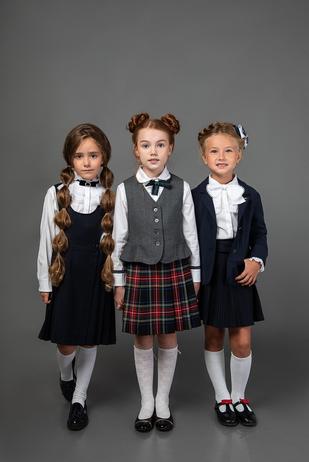
School uniform policies remain a widely debated issue in U.S. public schools. Supporters argue uniforms promote safety and equality, while critics raise concerns about freedom of expression and family costs. This updated review uses the latest 2025 data to help parents and educators weigh the evidence.

How Common Are Uniform Policies?

  • As of 2019–20, 18.8% of public schools required uniforms, while 57% of private schools did the same (NCES Fast Facts).

  • Uniform adoption is highest in primary schools (23%), compared to 18% of middle schools and 10% of high schools (Helpful Professor).

  • 22 states and the District of Columbia explicitly authorize uniform policies at the district level (UniformMarket).

The Benefits of School Uniforms Safety & Discipline

  • In Long Beach Unified, one of the earliest large-scale adopters, officials reported declines in suspensions, crime, and vandalism after uniforms were introduced.

  • Uniforms can help staff quickly identify outsiders, enhancing security and reducing gang-related clothing visibility

School Climate & Focus

  • A study published by the American School Health Association found uniform schools saw higher attendance and modest gains in core subject performance (2024).

  • Education Week surveys report

. . .read more

If Your Child Misses First-Choice Public School

Updated
|
If Your Child Misses First-Choice Public School
Help your child thrive—learn next steps when first-choice public school enrollment fails, including waitlists, appeals, and smart backup plans.

A Parent’s Guide: What to Do if Your Child Doesn’t Get into Your First-Choice Public School Introduction

It’s disappointing when your child doesn’t get into your first-choice public school—but it’s far from the end of the road. This guide walks you through clear, practical next steps: joining waitlists, appealing decisions, exploring alternatives, and protecting your child’s best interests. We’ll also share current stats and practical insights to help you navigate this stressful moment confidently.

Understanding the Situation: How Often Does This Happen?

  • In England and Wales, about 92.5% of families secured a place at their first-choice primary school, and 98.3% at one of their top three options. Rates varied significantly by area, dropping to 70% in some high-demand districts.

  • In England, waitlists and appeals are common, but success is rare unless there’s an admissions error or valid special circumstances (e.g., documented medical need).

  • In some secondary school systems (e.g., UK), around 82.9% gain admission to their first choice; families have the right to appeal, but should simultaneously accept another offer to avoid leaving a child without a school place

Step-by-Step: What You Can Do Now

1. Accept the Available Offer (Sooner Rather Than Later)

Even if disappointed, accept the offered place right away. It secures your child’s enrollment and doesn’t affect your right to appeal. Several systems (e.g., in England) advise this as “best practice”

. . .read more

A Parent’s Guide to Public School Enrollment: Deadlines, Paperwork, and Common Pitfalls

Updated
|
A Parent’s Guide to Public School Enrollment: Deadlines, Paperwork, and Common Pitfalls
Everything parents need: enrollment deadlines, paperwork essentials, common pitfalls, and up-to-date school stats for smooth public school admission.

A Parent’s Guide to Public School Enrollment: Deadlines, Paperwork, and Common Pitfalls

Introduction

Enrolling your child in public school is exciting—but can feel overwhelming. This guide walks you through timelines, required paperwork, and frequent missteps, using clear, parent-friendly language. It also includes current statistics: average per-student spending, student–teacher ratios, and how school demographics vary, helping you make informed decisions.

Why Timely Enrollment Matters

Signing up your child early ensures you secure a placement, avoid waitlists, and give both family and school time to plan. Missing key deadlines can mean being pushed into group assignments, less-preferred schools, or delayed start dates.

Key Enrollment Deadlines

Early Enrollment (typically January–March)

Most districts begin pre-kindergarten through grade 12 enrollment in winter:

  • Pre-K programs may open as early as January 1, especially for children turning 4 by September 1.

  • Kindergarten and higher: February–March deadlines are common.

  • Proof of residency (utility bill, lease agreement) and birth certificate are usually required during this window.

Mid-Year Transfers (often by December)

Transferring mid-year usually requires:

  • A transfer form from both districts.

  • Your most recent report card and attendance records.

  • Immunization records to meet health requirements.

Summer Fall Enrollment (April–July)

  • Many districts allow summer enrollment, but spaces

. . .read more

Recent Articles

When “Free Public School” Still Isn’t Free
Discover the hidden costs of public school in 2026, from supplies and fees to transportation, technology, and extracurricular expenses.
What a District Budget Cut Means for Your Child's School Experience
Learn how district budget cuts can affect class sizes, programs, staffing, transportation, and your child's daily school experience in 2026.
School Closure Risk: What Parents Should Check Before Moving
Learn how parents can assess school closure risk before buying or renting in a district, using enrollment, funding, and boundary data.