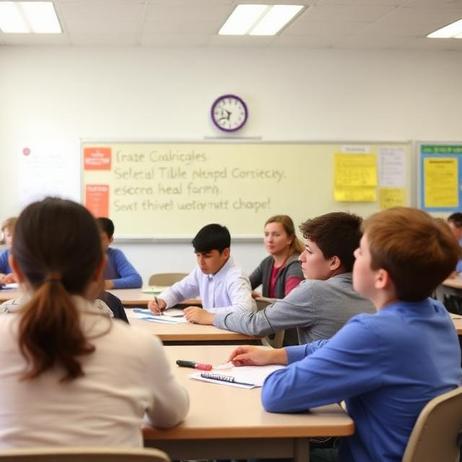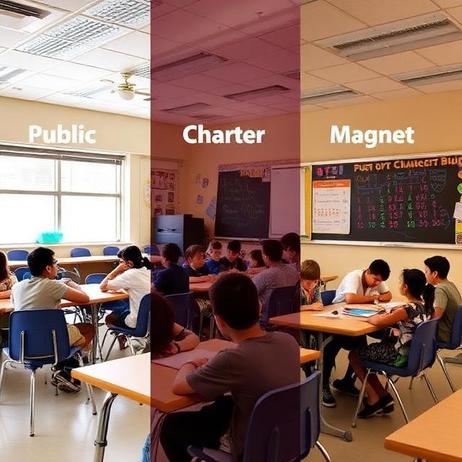

Substitute teacher shortages have become one of the most persistent operational challenges facing public schools in 2026. While teacher absences have always been part of school management, districts across the country are now struggling to find enough qualified substitutes to cover classrooms consistently.
The issue affects far more than scheduling logistics. Substitute shortages can disrupt instruction, increase teacher burnout, strain school budgets, and reduce learning continuity for students. For parents, the problem may raise concerns about classroom stability and educational quality.
As families evaluate school systems through resources like Public School Rankings and Compare Public Schools, understanding how schools handle substitute teacher shortages provides important insight into district leadership, staffing practices, and school resilience.
Why Substitute Teacher Shortages Are Increasing
Several factors have contributed to the ongoing substitute teacher shortage nationwide.
Teacher Burnout and Staffing Pressures
Schools continue to experience staffing strain following years of pandemic-related disruptions, increased behavioral challenges, and rising workload demands. Full-time teacher absences remain elevated in many districts, increasing demand for substitutes.
According to the National Center for Education Statistics, many public schools continue reporting staffing difficulties in both instructional and support positions.
Lower Pay Compared to Other Jobs
Substitute teaching often offers inconsistent work schedules and relatively low daily pay compared with jobs in other industries requiring similar education levels.
In some areas, substitute teachers can earn more predictable wages through retail, hospitality, or remote customer service positions.
Certification Requirements
Some states require substitute teachers to