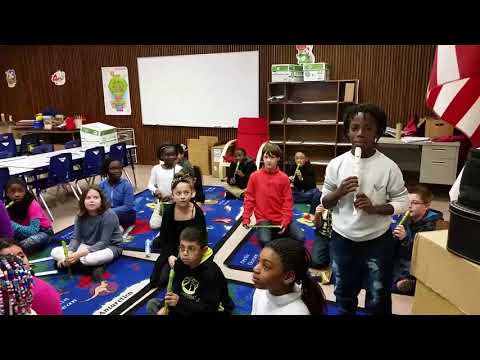
Serving 630 students in grades Prekindergarten-5, Castle Elementary School ranks in the bottom 50% of all schools in Minnesota for overall test scores (math proficiency is top 50%, and reading proficiency is top 50%).
The percentage of students achieving proficiency in math is 44% (which is lower than the Minnesota state average of 46%). The percentage of students achieving proficiency in reading/language arts is 40-44% (which is lower than the Minnesota state average of 51%).
The student-teacher ratio of 17:1 is higher than the Minnesota state level of 13:1.
Minority enrollment is 73% of the student body (majority Asian and Hispanic), which is higher than the Minnesota state average of 40% (majority Black and Hispanic).
Quick Facts (2026)
- Grades: Prekindergarten-5
- Enrollment: 630 students
- Student-Teacher Ratio: 17:1
- Minority Enrollment: 73%
- Overall Testing Rank: Bottom 50% in MN
- Math Proficiency: 44% (Top 50%)
- Reading Proficiency: 40-44% (Btm 50%)
- Science Proficiency: 20-29% (Btm 50%)
- Source: National Center for Education Statistics (NCES), MN Dept. of Education
Top Rankings
Castle Elementary School ranks among the top 20% of public schools in Minnesota for:
Category
Attribute
Diversity
School Overview
Castle Elementary School's student population of 630 students has grown by 40% over five school years.
The teacher population of 37 teachers has grown by 15% over five school years.
Grades Offered
Grades Prekindergarten-5
(No virtual instruction)
(No virtual instruction)
Total Students
630 students
Total Classroom Teachers
37 teachers
Colors
Blue and Gold
School Calendar
School Rankings
Castle Elementary School ranks within the bottom 50% of all 1,773 schools in Minnesota (based off of combined math and reading proficiency testing data).
The diversity score of Castle Elementary School is 0.78, which is more than the diversity score at state average of 0.60. The school's diversity has stayed relatively flat over five school years.
Overall Testing Rank
#1063 out of 1773 schools
(Bottom 50%)
(Bottom 50%)
Math Test Scores (% Proficient)
44%
46%
Reading/Language Arts Test Scores (% Proficient)
40-44%
51%
Science Test Scores (% Proficient)
20-29%
41%
Student-Teacher Ratio
17:1
13:1
Asian
28%
7%
Hispanic
20%
12%
Black
16%
12%
White
27%
60%
Two or more races
9%
7%
All Ethnic Groups
Eligible for Free Lunch
52%
34%
Eligible for Reduced Lunch
12%
7%
School Statewide Testing
School District Name
Source: National Center for Education Statistics (NCES), MN Dept. of Education
Frequently Asked Questions
What is Castle Elementary School's ranking?
Castle Elementary School is ranked #1063 out of 1,773 schools, which ranks it among the bottom 50% of public schools in Minnesota.
What schools are Castle Elementary School often compared to?
Castle Elementary Schoolis often viewed alongside schools like Matoska International by visitors of our site.
What percent of students have achieved state testing proficiency in math and reading?
44% of students have achieved math proficiency (compared to the 46% MN state average), while 40-44% of students have achieved reading proficiency (compared to the 51% MN state average).
How many students attend Castle Elementary School?
630 students attend Castle Elementary School.
What is the racial composition of the student body?
28% of Castle Elementary School students are Asian, 27% of students are White, 20% of students are Hispanic, 16% of students are Black, and 9% of students are Two or more races.
What is the student-teacher ratio of Castle Elementary School?
Castle Elementary School has a student ration of 17:1, which is higher than the Minnesota state average of 13:1.
What grades does Castle Elementary School offer ?
Castle Elementary School offers enrollment in grades Prekindergarten-5 (No virtual instruction).
What school district is Castle Elementary School part of?
Castle Elementary School is part of North St. Paul-Maplewood Oakdale School District.
School Reviews
Review Castle Elementary School. Reviews should be a few sentences in length. Please include any comments on:
- Quality of academic programs, teachers, and facilities
- Availability of music, art, sports and other extracurricular activities
Recent Articles

When “Free Public School” Still Isn’t Free
Discover the hidden costs of public school in 2026, from supplies and fees to transportation, technology, and extracurricular expenses.

What a District Budget Cut Means for Your Child's School Experience
Learn how district budget cuts can affect class sizes, programs, staffing, transportation, and your child's daily school experience in 2026.
School Closure Risk: What Parents Should Check Before Moving
Learn how parents can assess school closure risk before buying or renting in a district, using enrollment, funding, and boundary data.