Parenting and Learning Issues

Each child learns differently. Here we offer resources on learning styles and the classroom models that support them, expert advice on how to improve learning, and tips on parental involvement.

View the most popular articles in Parenting and Learning Issues:

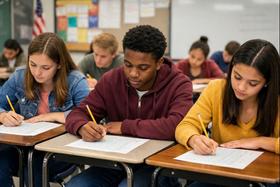
10 Major Challenges Facing Public Schools in 2026

Updated
|
10 Major Challenges Facing Public Schools in 2026
Explore 10 major challenges facing public schools in 2026, from funding gaps to teacher shortages, with insights for parents and educators.

Public schools remain the backbone of the American education system, serving more than 49 million students nationwide. Yet the list of challenges facing public schools continues to evolve. In 2026, these challenges are shaped by post-pandemic realities, rapid technological change, and shifting societal expectations.

For parents, educators, and policymakers, understanding these issues is essential to making informed decisions and advocating for meaningful improvements. Below is an updated look at the 10 major challenges facing public schools today, along with context and practical insights.

1. Unequal School Funding

Despite ongoing reform efforts, funding disparities persist across districts. Schools in affluent communities often benefit from stronger property tax bases, while under-resourced districts struggle to meet basic needs.

According to the National Center for Education Statistics, funding gaps remain one of the most significant contributors to inequitable outcomes.

These disparities affect:

  • Class sizes
  • Access to advanced coursework
  • Availability of extracurricular programs
  • Facility quality

For a deeper look at how funding impacts school quality, see Public School Funding: The Basics.

2. Teacher Shortages and Burnout

Teacher shortages have intensified since 2020 and remain a pressing concern in 2026. Many districts face difficulties recruiting and retaining qualified educators, particularly in:

  • STEM subjects
  • Special education
  • Rural and high-poverty areas

Burnout continues to drive attrition. Increased workloads, behavioral challenges, and administrative demands contribute to job dissatisfaction.

The U.S. Department of Education has identified teacher retention as a national priority, yet solutions vary widely by state and district.

3. Learning
. . .read more

How to Build a Strong Parent-Teacher Relationship

Updated
|
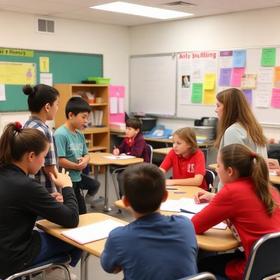
How to Build a Strong Parent-Teacher Relationship
Learn how to build a strong parent-teacher relationship from day one with practical strategies, communication tips, and 2026 insights.

A strong parent-teacher relationship is one of the most influential factors in a student’s academic success. When families and educators collaborate effectively, students benefit from consistent expectations, better support systems, and improved outcomes both inside and outside the classroom.

In 2026, with increasing use of digital communication tools and a growing emphasis on social-emotional learning, the importance of building a strong parent-teacher relationship from day one has never been greater. Establishing trust early helps prevent misunderstandings, encourages open dialogue, and creates a shared commitment to student growth.

This guide outlines practical, research-informed strategies that parents and teachers can use to build meaningful, productive partnerships from the very start of the school year.

Why a Strong Parent-Teacher Relationship Matters

Decades of research confirm that family engagement plays a critical role in student achievement. According to the U.S. Department of Education, students with involved parents are more likely to earn higher grades, attend school regularly, and develop stronger social skills.

A strong parent-teacher relationship contributes to:

  • Improved academic performance

  • Better classroom behavior

  • Increased student motivation

  • Early identification of learning challenges

  • Stronger emotional support systems

In public schools, where class sizes can be large and resources vary, proactive collaboration becomes even more essential.

Start Early: The First Weeks Set the Tone

The beginning of the school year is a critical window for establishing a strong parent-teacher relationship. Waiting until problems arise can make communication feel reactive rather than supportive.

For Teachers: Proactive Outreach

Teachers who initiate contact early

. . .read more

Helping Children Overcome First-Week School Anxiety

Updated
|
Helping Children Overcome First-Week School Anxiety
Learn practical strategies to help children overcome first-week school anxiety, with expert-backed tips for parents and educators.

The first week of school can be an emotional hurdle for many families. Whether a child is entering kindergarten or transitioning to a new public school, first-week school anxiety is common and, in most cases, temporary. Still, without the right support, it can disrupt routines, affect academic engagement, and create lingering negative associations with school.

For parents and educators, the goal is not to eliminate anxiety entirely, but to help children manage it effectively. With thoughtful preparation, consistent communication, and evidence-based strategies, children can build confidence and start the school year on a positive note.

Understanding First-Week School Anxiety

First-week school anxiety typically stems from uncertainty. New environments, unfamiliar peers, different expectations, and separation from caregivers can all trigger stress responses in children.

According to the American Academy of Pediatrics, mild anxiety during school transitions is developmentally appropriate, especially in younger children. However, how adults respond plays a critical role in shaping whether that anxiety fades quickly or becomes more persistent.

Common Signs to Watch For

Children express anxiety in different ways, depending on age and temperament. Parents and teachers should look for:

  • Clinginess at drop-off

  • Complaints of headaches or stomachaches

  • Difficulty sleeping before school days

  • Irritability or withdrawal

  • Refusal to attend school

Recognizing these signs early allows adults to intervene with reassurance and structure.

Why the First Week Matters So Much

The first few days of school set the tone for the entire academic year. Positive early experiences can foster:

  • A sense of

. . .read more

Multilingual Learner Growth Models & Accountability

Updated
|
Multilingual Learner Growth Models & Accountability
Learn how multilingual learner growth models are reshaping school accountability systems and what it means for public schools in 2026.

As public schools across the United States continue to evolve, one of the most significant shifts in 2026 is the growing emphasis on multilingual learner growth models in accountability systems. With multilingual learners, often referred to as English Language Learners (ELLs), representing a rapidly expanding student population, states are refining how progress is measured and reported.

These changes are not just technical adjustments. They signal a broader move toward more equitable evaluation systems that better reflect student progress over time rather than relying solely on proficiency benchmarks.

Understanding Multilingual Learner Growth Models

Traditional accountability systems often focused on whether students reached a fixed level of English proficiency within a set timeframe. However, this approach has been widely criticized for failing to capture incremental progress, especially for students entering school with limited English skills.

Multilingual learner growth models shift the focus to:

  • Year-over-year language development
  • Academic progress alongside language acquisition
  • Individualized growth trajectories

Rather than asking whether a student has “arrived,” these models evaluate how far a student has progressed.

According to the U.S. Department of Education’s Office of English Language Acquisition, this approach provides a more accurate and fair assessment of both student performance and school effectiveness.

Why Accountability Systems Are Changing

Several factors are driving these changes in accountability frameworks:

1. Federal Flexibility Under ESSA

The Every Student Succeeds Act (ESSA) gave states greater autonomy in designing accountability systems. Many states are now incorporating English language proficiency growth as a key indicator.

The Every Student

. . .read more

Bullying Prevention in Public Schools: Family Guide 2026

Updated
|
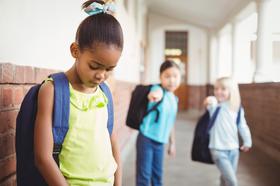
Bullying Prevention in Public Schools: Family Guide 2026
Explore effective strategies for bullying prevention in public schools and what families need to know in 2026.

Bullying remains a pressing concern in public schools nationwide. Despite decades of awareness campaigns, the rise of cyberbullying and social pressures has made it essential for families to understand how schools address bullying, how students can stay safe, and what resources are available in 2026. This guide offers families a comprehensive overview of bullying prevention, strategies schools employ, and steps parents can take to support their children.

Understanding Bullying in Schools

Bullying is defined as repeated aggressive behavior intended to harm or intimidate, often involving a power imbalance. It can manifest in several forms:

  • Physical bullying: Hitting, pushing, or damaging a student’s belongings.

  • Verbal bullying: Name-calling, teasing, or threatening.

  • Social/relational bullying: Excluding peers, spreading rumors, or damaging reputations.

  • Cyberbullying: Using digital platforms, such as social media or messaging apps, to harass or threaten.

According to the National Center for Education Statistics, approximately 20% of students aged 12–18 reported being bullied at school in 2024. While rates have plateaued, the impact of bullying remains profound, affecting mental health, academic performance, and social development.

Why Bullying Prevention Matters

Bullying can have long-term consequences for both victims and perpetrators. Students experiencing bullying are at higher risk for:

  • Anxiety and depression

  • Academic disengagement and absenteeism

  • Decreased

. . .read more

Recent Articles

How to Build a Strong Parent-Teacher Relationship
Learn how to build a strong parent-teacher relationship from day one with practical strategies, communication tips, and 2026 insights.
The Logistics of Opening a Public School Each Year
Explore the logistics of opening a public school each year, from staffing and budgeting to transportation and safety planning.
How Public Schools Prepare for Emergency Situations
Learn how public schools prepare for emergencies, including safety planning, drills, and modern security measures in 2026.

Parenting and Learning Issues

IMPROVING LEARNING
A comprehensive look at the latest trends, expert advice and recent studies into improving student learning. Explore the latest studies into links between student performance, sleep and music. See why schools are opting for later start times and year round schedules.
PARENTAL INVOLVEMENT FROM K-12
Learn how direct involvement in your child’s education can impact school performance. Get expert advice on how to get involved, learn why and when you need to talk to a teacher and ways to make changes on campus.
BULLYING
An overview of bullying in schools, laws to protect students, and the impact on education. This section provides great tips on protecting your child from being bullied or becoming a bully. Learn about the latest anti-bullying laws and see how cyber-bullying effects your child’s school performance.
TYPES OF LEARNING
What type of learner is your child? Be in the know about different types of learning and which classrooms are best suited for each type. What is project-based learning? Cooperative Learning? Would your child benefit from a blended learning experience? Explore these teaching techniques and learn how they could improve your child’s performance.
KINDERGARTEN AND ELEMENTARY ISSUES
Weigh the pros and cons of preschool, full day kindergarten and other issues affecting our youngest learners. Learn what can be done to help your child prepare to enter school, boost confidence, and encourage reading at the grade school level.
HIGH SCHOOL ISSUES
Learn more about issues specific to high school students. Get an overview of high school graduation rates, college readiness, career choice and social issues impacting teenagers in public schools.