
Parenting and Learning Issues

Each child learns differently. Here we offer resources on learning styles and the classroom models that support them, expert advice on how to improve learning, and tips on parental involvement.

View the most popular articles in Parenting and Learning Issues:

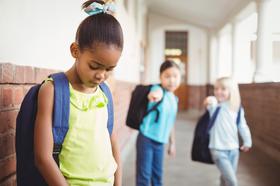
What to Do if Your Child Is Stressed About State Testing

Updated
|
What to Do if Your Child Is Stressed About State Testing
Learn what to do if your child is stressed about state testing with practical strategies, 2026 insights, and expert-backed tips for parents.

Each spring, families across the country face a familiar challenge: state testing season. Whether it is reading assessments in elementary school or end-of-course exams in high school, standardized tests remain a central part of public education accountability systems in 2026.

If you are wondering what to do if your child is stressed about state testing, you are not alone. Many students experience anxiety related to performance pressure, timed exams, or concerns about how scores might affect their academic future. The good news is that parents can play a powerful role in reducing stress and helping children approach testing with confidence.

This guide explains why testing stress happens, how to recognize it, and practical, research-informed strategies to support your child.

Why State Testing Still Matters in 2026

State assessments are required under the federal Every Student Succeeds Act, which ensures that public schools measure student progress in core subjects.

Most states publish detailed testing calendars and accountability information through their departments of education. The National Center for Education Statistics provides a national overview of how testing fits into public school systems at:
nces.ed.gov

While some states have reduced testing time or adjusted formats in recent years, assessments remain part of school evaluation systems, graduation requirements in certain states, and instructional planning.

For students, however, the bigger issue is often perception. They may believe:

  • The test will determine their entire academic future

. . .read more

Is Your Child Ready for the Next Grade? Spring Signs

Updated
|
Is Your Child Ready for the Next Grade? Spring Signs
Is Your Child Ready for the Next Grade? Signs to Watch This Spring, plus expert tips and 2026 academic benchmarks for parents.

Is Your Child Ready for the Next Grade? Signs to Watch This Spring

Spring is more than testing season. It is the time of year when report cards, benchmark assessments, and teacher conferences converge to answer a pivotal question for families: Is Your Child Ready for the Next Grade? Signs to Watch This Spring can help parents evaluate both academic and developmental readiness before summer arrives.

Promotion decisions are rarely based on a single test score. In 2026, many public schools use a combination of classroom performance, district benchmarks, attendance records, and social-emotional indicators to determine whether a student is prepared for the next academic level. Understanding what schools look for and what parents can observe at home allows families to act early rather than react in August.

Below, we outline the most important academic, social, and behavioral signs to watch, along with practical steps parents can take this spring.

Academic Readiness: Beyond the Report Card

Grades provide helpful information, but they do not always tell the full story. Schools often rely on state standards and district assessments aligned with grade-level expectations.

The National Center for Education Statistics reports that academic performance trends remain uneven post-pandemic, with continued gaps in math and reading proficiency in many districts. Parents can explore national benchmarks through the NCES website at the U.S. Department of Education: nces.ed.gov

When evaluating academic readiness this spring, consider the following:

1. Consistent Mastery of Grade-Level

. . .read more

Helping Your Child Navigate Friendship Drama at School

Updated
|
Helping Your Child Navigate Friendship Drama at School
Meta Description: Practical 2026 strategies for helping your child navigate friendship drama at school with confidence, empathy, and resilience.

Helping Your Child Navigate Friendship Drama at School

Friendship drama is not new, but in 2026, it looks different than it did a decade ago. Text threads, social media, online gaming communities, and group chats now extend school conflicts well beyond dismissal. For parents, helping your child navigate friendship drama at school requires updated strategies that reflect both in-person and digital realities.

While friendship conflicts are a normal part of development, they can deeply affect a child’s confidence, academic performance, and sense of belonging. The key is not eliminating conflict, but teaching children how to manage it with empathy, resilience, and sound judgment.

This guide offers practical, research-informed strategies for helping your child navigate friendship drama at school, whether your child is in elementary, middle, or high school.

Why Friendship Drama Feels So Intense Today

Children and teens experience social conflict more publicly than previous generations. According to the American Academy of Pediatrics, digital communication can amplify misunderstandings and intensify emotional reactions, particularly among adolescents.

Several factors contribute to heightened friendship challenges in 2026:

  • Group chats that exclude or screenshot conversations

  • Social media posts that spark comparison or jealousy

  • Rumor-spreading through short-form video platforms

  • Increased academic and extracurricular pressure

  • Post-pandemic social skill gaps still affecting some students

Schools report that while bullying

. . .read more

Do We Still Need Libraries in Public Schools in 2026

Updated
|
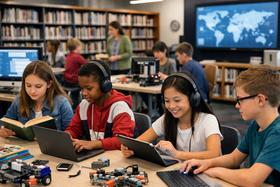
Do We Still Need Libraries in Public Schools in 2026
An updated look at the role of public school libraries in 2026, their impact on literacy, equity, and digital learning, and why they remain essential today.

Do We Still Need Libraries in Public Schools?

As we settle into 2026, the question “Do we still need libraries in public schools?” continues to surface in education policy debates, budget discussions, and classroom planning sessions. With ubiquitous digital devices and increasingly connected learning environments, some may wonder whether traditional library spaces and services still matter. The short answer: yes — now more than ever.

Public school libraries have evolved far beyond rows of dusty books. Today’s libraries are dynamic learning hubs that blend literacy, technology, community, and equity. This article examines the continuing importance of libraries in public schools, how they’ve adapted to 21st‑century needs, and why eliminating them could undermine educational outcomes.

The Library’s Core Mission: Literacy and Learning

At their heart, school libraries promote reading — a foundational skill linked to academic success across subjects. Research consistently shows that access to diverse reading materials improves comprehension, vocabulary, and lifelong learning motivation.

Libraries help bridge gaps in literacy skills, especially for students who may not have access to books at home. According to the American Library Association (ALA), school libraries staffed by credentialed librarians correlate with better reading test scores and higher graduation rates.¹ Access to both print and digital resources ensures that students with different learning preferences and needs can engage meaningfully with texts.

Library programs also support broader literacy efforts such as:

  • Summer reading initiatives that counter the “summer slide.”

. . .read more

Special-Program Registration Deadlines Explained

Updated
|
Special-Program Registration Deadlines Explained
Learn what to know about special-program registration deadlines for magnet, CTE, and dual-enrollment options in public schools.

What to Know About Special-Program Registration Deadlines (Magnet, CTE, Dual-Enrollment)

Families exploring public school options are increasingly drawn to special academic programs that offer focused coursework, career preparation, or early college credit. Magnet schools, Career and Technical Education programs, and dual-enrollment opportunities can significantly shape a student’s educational path. However, these programs often operate on timelines that differ from standard public school enrollment.

Understanding what to know about special-program registration deadlines (Magnet, CTE, Dual-Enrollment) is critical. Missing a deadline can mean waiting an entire year, even if a student is otherwise qualified. As districts refine enrollment systems and expand choice options in 2026, families must stay informed and proactive.

This guide explains how these deadlines work, why they vary, and how parents and students can plan effectively.

Why Special-Program Deadlines Are Different

Unlike traditional neighborhood school enrollment, special programs require additional planning, staffing, and often selective admissions. Districts must coordinate transportation, specialized instructors, equipment, and partnerships with colleges or employers. As a result, applications typically open earlier and close faster.

Common reasons for earlier deadlines include:

• Limited seats or capped cohorts
• Application reviews, lotteries, or auditions
• Alignment with college or industry calendars
• State reporting and funding requirements

Districts increasingly use centralized choice portals, but deadlines still vary widely by program type and region.

Magnet School Registration Timelines

Magnet schools offer specialized themes such as STEM, performing arts, language immersion, or International Baccalaureate programs. These schools

. . .read more

Recent Articles

How to Build a Strong Parent-Teacher Relationship
Learn how to build a strong parent-teacher relationship from day one with practical strategies, communication tips, and 2026 insights.
The Logistics of Opening a Public School Each Year
Explore the logistics of opening a public school each year, from staffing and budgeting to transportation and safety planning.
How Public Schools Prepare for Emergency Situations
Learn how public schools prepare for emergencies, including safety planning, drills, and modern security measures in 2026.

Parenting and Learning Issues

IMPROVING LEARNING
A comprehensive look at the latest trends, expert advice and recent studies into improving student learning. Explore the latest studies into links between student performance, sleep and music. See why schools are opting for later start times and year round schedules.
PARENTAL INVOLVEMENT FROM K-12
Learn how direct involvement in your child’s education can impact school performance. Get expert advice on how to get involved, learn why and when you need to talk to a teacher and ways to make changes on campus.
BULLYING
An overview of bullying in schools, laws to protect students, and the impact on education. This section provides great tips on protecting your child from being bullied or becoming a bully. Learn about the latest anti-bullying laws and see how cyber-bullying effects your child’s school performance.
TYPES OF LEARNING
What type of learner is your child? Be in the know about different types of learning and which classrooms are best suited for each type. What is project-based learning? Cooperative Learning? Would your child benefit from a blended learning experience? Explore these teaching techniques and learn how they could improve your child’s performance.
KINDERGARTEN AND ELEMENTARY ISSUES
Weigh the pros and cons of preschool, full day kindergarten and other issues affecting our youngest learners. Learn what can be done to help your child prepare to enter school, boost confidence, and encourage reading at the grade school level.
HIGH SCHOOL ISSUES
Learn more about issues specific to high school students. Get an overview of high school graduation rates, college readiness, career choice and social issues impacting teenagers in public schools.