
Updated
|
Guide for New Movers: Enrolling in a New School District 2026
A 2026 step-by-step guide for new movers on enrolling children in a new public school district, including documents, deadlines, and special programs.

Guide for New Movers: How to Enroll Your Child in a New District in 2026

Relocating to a new city or state brings excitement and opportunity, but it also introduces a long list of logistics for families with school-aged children. One of the most time-sensitive tasks is enrolling your child in a new public school district. Requirements can vary widely by state and district, and policies continue to evolve in 2026, particularly around digital records, residency verification, and school choice options.

This Guide for New Movers: How to Enroll Your Child in a New District in 2026 is designed to walk families through the process step by step. Whether you are moving across town or across the country, understanding what to expect can help ensure a smooth transition for your child.

Understanding School District Boundaries in 2026

Public schools in the United States are assigned primarily based on where a family lives. School district boundaries determine which elementary, middle, and high schools a student is eligible to attend. In 2026, most districts continue to rely on geocoded address systems, which automatically assign schools once a home address is entered into the district database.

Before beginning enrollment, confirm your assigned district and schools. Many districts provide online school locator tools through their websites. If you are unsure, your local district office can verify zoning based on your lease or property documents.

Families should also be aware that some districts offer alternatives to
. . .read more

Zero Tolerance Policies in Public Schools Today

Updated
|
Zero Tolerance Policies in Public Schools Today
An updated look at zero tolerance policies in public schools, including current trends, costs, legal concerns, and what parents need to know now.

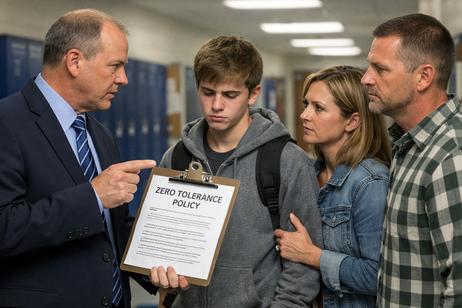
Zero tolerance policies in public schools were originally designed to create safer learning environments by enforcing strict, predetermined consequences for specific behaviors. First widely adopted during the 1990s, these policies expanded rapidly in response to concerns about school violence and drug use. Today, zero tolerance remains a familiar term for parents and educators, but its application, impact, and public perception have evolved significantly.

As families plan for upcoming academic cycles, many are asking practical questions. How are discipline policies enforced today? Do zero tolerance rules affect school choice or enrollment decisions? What are the legal and emotional consequences for students? This updated article examines how zero tolerance policies function in modern public schools, the costs and challenges associated with them, and what parents should understand when advocating for their children.

What Are Zero Tolerance Policies?

Zero tolerance policies mandate specific disciplinary actions, often suspension or expulsion, for defined infractions regardless of intent or circumstances. Commonly cited violations include weapons possession, drug-related offenses, and serious acts of violence. In some districts, earlier versions of these policies also applied to less severe behaviors such as verbal threats or repeated classroom disruptions.

While federal law still requires strict disciplinary responses for certain offenses, particularly firearms on campus, many states and districts have revised their policies to allow greater administrative discretion. Today, zero tolerance is less likely to mean automatic punishment and more likely to exist as a framework within broader student discipline codes.

How Policies Have

. . .read more

The Pros and Cons of Tracking in Schools Today

Updated
The Pros and Cons of Tracking in Schools Today
Explore the advantages and drawbacks of academic tracking in today’s public schools, including equity, outcomes, and what parents should consider.

The Pros and Cons of Tracking in Schools

Academic tracking, sometimes called ability grouping, is a long-standing practice in U.S. public education. Schools group students into different classes or course levels based on perceived academic ability, standardized test performance, or teacher recommendations. These tracks often begin in elementary school and become more formalized in middle and high school through honors, advanced placement, and remedial coursework.

Supporters argue that tracking allows schools to meet students where they are academically, while critics raise concerns about equity, access, and long-term outcomes. As districts face widening achievement gaps, post-pandemic learning loss, and increased scrutiny from families, tracking remains a complex and highly relevant issue.

This updated overview examines how tracking works today, the potential benefits and drawbacks, and what parents should consider when navigating tracked systems in current public schools.

What Is Academic Tracking?

Tracking refers to the practice of separating students into different learning pathways based on academic performance or perceived ability. These pathways may include advanced or gifted programs, grade-level classes, and remedial or intervention-focused instruction.

In 2025, tracking looks different than it did a decade ago. Many districts have shifted away from rigid labels and toward flexible grouping, competency-based progression, or course-by-course placement rather than permanent tracks. However, traditional tracking remains common, especially in middle and high schools where course sequencing affects graduation requirements and college readiness.

Placement decisions typically rely on a combination of factors, including standardized test scores, classroom performance,

. . .read more

Budgeting Hidden Costs of Public Schooling in 2026

Updated
|
Budgeting Hidden Costs of Public Schooling in 2026
Learn how families budget for school lunch, after-school care, and activities, the hidden costs of public schooling in 2026.

Budgeting for School Lunch, After-School Care & Activities: Hidden Costs of Public Schooling

Public education in the United States is often described as free. Tuition is not charged, textbooks are usually provided, and attendance is guaranteed. Yet for many families, the reality looks very different. Budgeting for school lunch, after-school care & activities has become a significant household expense, revealing the hidden costs of public schooling that can add up quickly over the course of a school year.

In 2026, inflation pressures, staffing shortages, and expanded enrichment offerings have increased out-of-pocket costs for families across the country. Understanding these hidden costs of public schooling helps parents plan realistically and advocate for transparency and support within their school communities.

This article examines the most common areas where families encounter unexpected expenses and offers practical guidance on budgeting for school lunch, after-school care & activities in today’s public school environment.

Why the Hidden Costs of Public Schooling Matter

The phrase hidden costs of public schooling refers to expenses that are not immediately obvious when a child enrolls in a public school. These costs are rarely included in district enrollment materials, yet they are unavoidable for many working families.

According to education finance analysts, non-tuition expenses now represent one of the fastest-growing burdens on middle-income households with school-aged children. Budgeting for school lunch, after-school care & activities has become essential, not optional, for families seeking stability and academic continuity.

For families with multiple

. . .read more

How to Appeal School Assignment Decisions in 2026

Updated
|
How to Appeal School Assignment Decisions in 2026
Learn how to appeal school assignment or zoning decisions before the new school year with step-by-step guidance, timelines, and expert tips.

How to Appeal School Assignment or Zoning Decisions Before the New School Year

Each spring and summer, families across the country receive school placement letters that determine where their children will attend school in the fall. For many, the assignment aligns with expectations. For others, it raises immediate concerns about academic fit, safety, transportation, or special services. Knowing how to appeal school assignment decisions can make a meaningful difference, especially when deadlines are tight and the new school year is approaching.

In 2026, school districts continue to refine enrollment algorithms, boundary maps, and choice policies in response to population shifts, housing changes, and post-pandemic enrollment trends. As a result, more families are seeking to appeal school assignment decisions than ever before. This guide explains how the process works, what has changed in 2026, and how parents can position their appeal school assignment request for the best possible outcome.

Understanding School Assignment and Zoning Decisions

Public school placement is typically based on a student’s residential address, grade level, and district enrollment policies. Some districts rely strictly on neighborhood zoning, while others incorporate magnet programs, controlled choice systems, or lottery-based enrollment.

Families may choose to appeal school assignment decisions for several reasons, including:

  • A mismatch between the assigned school and a child’s academic or social needs

  • Concerns about school safety, overcrowding, or long commute times

  • Changes in family

. . .read more

Recent Articles

When “Free Public School” Still Isn’t Free
Discover the hidden costs of public school in 2026, from supplies and fees to transportation, technology, and extracurricular expenses.
What a District Budget Cut Means for Your Child's School Experience
Learn how district budget cuts can affect class sizes, programs, staffing, transportation, and your child's daily school experience in 2026.
School Closure Risk: What Parents Should Check Before Moving
Learn how parents can assess school closure risk before buying or renting in a district, using enrollment, funding, and boundary data.