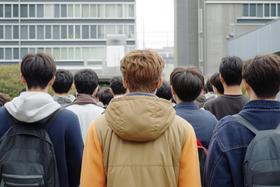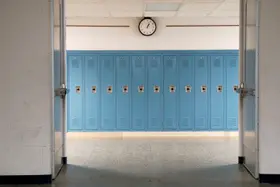
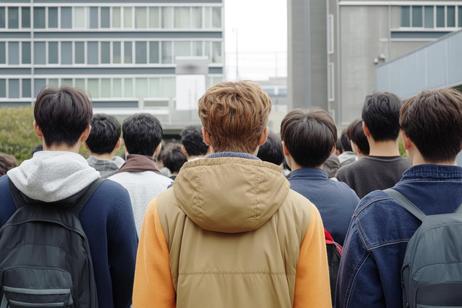
For many students, transitioning to a large public school campus can feel overwhelming at first. Some high schools enroll more than 3,000 students, span multiple buildings, and operate on tightly scheduled class rotations. Hallways can resemble busy transit hubs, lunch periods may involve hundreds of students at once, and navigating from one end of campus to another becomes part of the daily routine.
Yet despite these challenges, students often adapt remarkably well. Large public schools can offer broader academic programs, more extracurricular activities, expanded athletics, and greater social diversity than smaller schools. Success in these environments depends largely on how students learn to manage time, build routines, and develop support systems.
As public schools continue growing in enrollment across many districts, families increasingly want to understand how students adjust to these larger educational settings. According to data compiled by Public School Review, some districts now average well over 2,000 students per campus. These environments require students to develop organizational and social skills that often mirror those needed later in college and the workforce.
Why Large Public School Campuses Continue to Grow
Several factors contribute to the expansion of large public school campuses in 2026:
- Population growth in suburban areas
- District consolidation efforts
- Expanded magnet and specialty programs
- Increased demand for Advanced Placement and career pathways
- Budget efficiencies tied to larger campuses
Many districts believe larger schools allow them to centralize resources and provide more opportunities under one roof. Students may gain access to:
- Advanced STEM labs
- Performing arts centers
- Career and technical