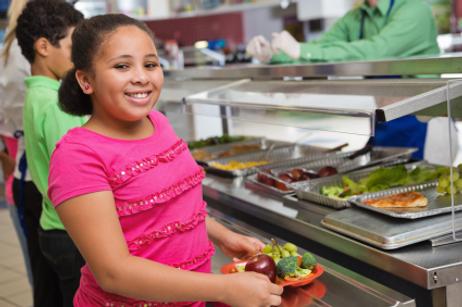
Forget the days of "pigs-in-a-blanket" and pizza for lunch. Today's public schools continue to embrace healthier meal options, with fresh fruits and vegetables playing a larger role in school cafeterias than ever before. School salad bars, once considered an innovative idea, have become a familiar feature in many districts across the country.
One of the earliest national efforts to bring fresh produce into school cafeterias was the "Let's Move Salad Bars to Schools" initiative. The program was launched at Riverside Elementary School in Miami, Florida, making the school one of the first elementary schools in the nation to offer students regular access to a dedicated salad bar filled with fresh fruits and vegetables.
More than a decade later, the goals behind that initiative remain highly relevant. As schools continue to focus on student wellness, nutrition education, and healthier eating habits, salad bars remain an important tool for helping children make nutritious food choices.
The Choice of Riverside
Riverside Elementary was chosen as an early participant in the initiative because students had already begun growing their own garden, filled with tomatoes, eggplant, kale, and other produce. School leaders hoped the garden would eventually provide fresh ingredients that could be incorporated into lunches and snacks served through the salad bar.
The garden was grown in cement boxes because the school did not have additional land available for larger-scale planting. Even so, the project demonstrated how schools can incorporate hands-on nutrition education into everyday learning.
Many of the Riverside students were excited about the prospect of a salad bar in their school lunchroom. Luciano Cabrera, 12, told the Scholastic Press Corps, "Salad bars" are important because they're nutritious and help you and your bones grow." Ashley Battle, 11, added, "They're important because they make your brain stronger and give you more nutrients."
While those comments were made years ago, they reflect a lesson that continues to resonate with educators and health professionals today: students are more likely to eat fruits and vegetables when they are given appealing choices and opportunities to participate in food-related learning activities.
A Growing Trend
Riverside was far from the only school to benefit from the initiative. The original goal was to place 6,000 salad bars in schools across the nation. Since then, the movement has expanded significantly.
According to the Salad Bars to Schools program, thousands of schools across the United States have received salad bars through grants and partnerships. The organization continues to provide equipment and support to eligible schools, helping districts increase student access to fresh produce in cafeterias.
The need remains important in 2026. Many districts continue to face budget constraints while working to meet federal nutrition standards and improve student wellness outcomes. Public School Review has also examined broader cafeteria changes in its article on school lunch programs, including how districts are adapting to changing nutrition rules, costs, and participation patterns.
Schools interested in obtaining salad bars can still explore grant opportunities and resources through national organizations dedicated to improving child nutrition.
Why Salad Bars Matter
Research continues to show that increasing access to fruits and vegetables can positively influence student eating habits. School salad bars allow children to choose from a variety of fresh foods, giving them a sense of ownership over their meals.
Nutrition experts have found that students are often more willing to try new fruits and vegetables when they can select items themselves rather than receiving pre-portioned servings. Salad bars also help schools expose students to a wider variety of healthy foods than traditional cafeteria service models.
In addition, many districts use salad bars as part of broader nutrition education efforts. School gardens, cooking demonstrations, farm-to-school programs, and wellness initiatives often work together to encourage lifelong healthy habits.
The Taste Component
While everyone understands the nutritional value of fruits and vegetables, not everyone is excited about the taste. To help address this challenge, many schools have partnered with local chefs, nutrition professionals, and community organizations to teach students and staff how to prepare healthy foods in appealing ways.
Chef Frank Jeanetti expressed optimism about the original program, telling Scholastic, "I think 'the salad bar program' is going to work fantastically."
That emphasis on making healthy food appealing remains a key component of successful school nutrition programs today. Cafeterias increasingly offer colorful produce selections, seasonal menu items, and student taste-testing events designed to encourage participation.
Many districts also collect student feedback when planning menus, helping food service teams identify healthy options that students are more likely to choose and enjoy. For families comparing cafeteria changes, Public School Review’s guide to healthy cafeteria options offers additional context on how parents can support better food choices at school.
The Lasting Impact of Let's Move!
The "Let's Move Salad Bars to Schools" initiative was part of the broader "Let's Move!" campaign launched by former First Lady Michelle Obama. The effort began with a focus on nutrition, physical activity, and childhood wellness.
Although the original campaign has concluded, many of its objectives continue to influence school nutrition policies and wellness programs throughout the country. Schools today place greater emphasis on healthy meal standards, nutrition education, physical activity opportunities, and student wellness than they did when the initiative first launched.
Federal school meal standards have continued to evolve, and many districts have adopted local wellness policies that encourage healthier food environments both inside and outside the cafeteria.
Childhood Nutrition in 2026
Childhood obesity remains a significant public health concern in 2026. According to the Centers for Disease Control and Prevention, obesity continues to affect millions of children and adolescents across the United States. Health experts note that poor nutrition during childhood can contribute to long-term health risks, including type 2 diabetes, high blood pressure, and cardiovascular disease.
Because children consume a substantial portion of their daily calories at school, public schools play an important role in promoting healthy eating habits. Salad bars offer one practical way to increase access to nutrient-rich foods while helping students develop healthier preferences over time.
Many districts are also expanding farm-to-school partnerships supported by the U.S. Department of Agriculture Food and Nutrition Service, sourcing locally grown produce when possible and incorporating nutrition education into classroom instruction. These efforts help students better understand where food comes from and why healthy eating matters.
At the same time, schools continue to address less healthy food options on campus. Public School Review has covered this issue in its article on "Smart Snacks" standards, which looks at federal rules affecting snacks sold in cafeterias, vending machines, and other school settings.
Looking Ahead
The introduction of school salad bars represented an important shift in how public schools approached student nutrition. What began as a pilot effort at schools like Riverside Elementary has grown into a nationwide movement that continues to influence school meal programs in 2026.
While challenges remain, schools are increasingly recognizing that healthy eating habits support not only physical health but also student learning and overall well-being. As districts continue to invest in nutrition education, wellness initiatives, and fresh food access, school salad bars remain a simple but effective tool for helping students make healthier choices every day. Public School Review’s coverage of what public schools are doing to fight obesity offers a broader look at how these efforts fit into student wellness programs nationwide.