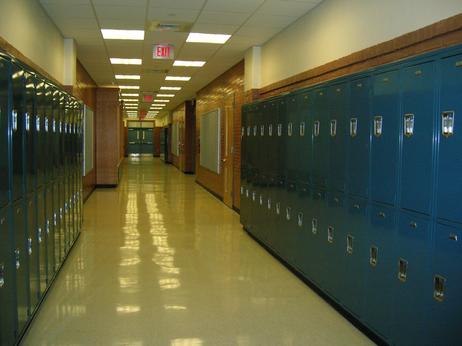
When families evaluate public schools, they often focus on academics, teacher quality, class size, and extracurricular opportunities. Yet one important factor frequently goes unnoticed: the design and function of a school’s shared spaces. Hallways, cafeterias, libraries, courtyards, and student commons all influence how students learn, interact, and feel during the school day.
In modern education, these areas are no longer viewed as simple transitional spaces. Educators and architects increasingly recognize that shared spaces help shape school culture, student engagement, collaboration, and even safety outcomes. In many districts, redesigned common areas are becoming central to broader efforts aimed at improving student well-being and creating more inclusive learning environments.
As schools continue adapting to changing educational needs in 2026, the role of hallways, common areas, and shared spaces has become more important than ever.
Why Shared Spaces Matter in Public Schools
A student’s experience at school extends beyond the classroom. Much of the school day involves movement between classes, lunch periods, informal conversations, group activities, and independent study. The quality of these experiences often depends on the design and atmosphere of common areas.
Well-designed shared spaces can support:
- Student collaboration
- Informal learning opportunities
- Social development
- School safety
- Mental wellness
- Stronger school community connections
Research from the National Center for Education Statistics continues to show that school climate significantly affects attendance, behavior, and academic performance. Shared spaces play a major role in shaping that climate.
Additional guidance on school climate and student engagement can also be found through the U.S.