
Health and Nutrition at School

From vending machines to Jamie Oliver, bed bugs to tuberculosis, we provide an in-depth look at health and wellness in public schools. Help your kids stay healthy on campus and learn about current health epidemics, vaccination requirements, physical fitness programs and the latest food initiatives.

View the most popular articles in Health and Nutrition at School:

No More “Pink Slime” on the Menus of Many Public Schools

Updated
|
No More “Pink Slime” on the Menus of Many Public Schools
(“Pink slime,” a beef byproduct that has been getting plenty of attention in the media of late, is now leaving many public schools nationwide in light of all the negative publicity. We’ll take a look at a few of the school districts saying goodbye to the product.

A beef filler product, dubbed “pink slime” in recent weeks, has been used in grocery store meats for nearly a decade. The byproduct has also been an ingredient in many school lunch menus, although children and parents were unaware of this fact until fairly recently. Now, the pink slime debate is in full fervor, and school districts nationwide are responding to concerns by doing away with beef filler completely. While this makes some parents breathe a sigh of relief, it is also making some districts dig deeper into their pockets to foot the bill for meat that may be healthier, but is also more expensive.

What is “Pink Slime”?

According to a report at Reuters, pink slime refers to a mix of fatty beef byproducts that were typically reserved for pet food and cooking oil in the past. The scrap meat is mixed with bits of cartilage and connective tissue, and then chemically treated to kill bacteria and make it edible. Ammonia is the chemical of choice, which has many food advocates up in arms about the safety of the product, particularly when it is served to children in schools.

The product was approved for use by the USDA, which dubbed it “lean, finely textured beef.” The agency continues to claim the meat is safe, and the American Meat Institute says it is 98 percent beef. However, those statements are not enough to satisfy many who have been turned off on the idea of
. . .read more

Fuel Up to Play 60 Focuses on Integrating Fitness and Wellness into the School Day

Updated
|
Fuel Up to Play 60 Focuses on Integrating Fitness and Wellness into the School Day
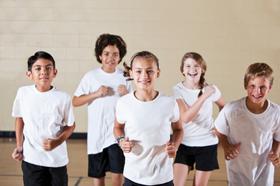
What if NFL players came to your school? With the Fuel Up to Play 60 program, sponsored by the National Dairy Council and the NFL, nutrition and exercise are promoted during the school day. NFL players participate in the program by coming to schools and talking to students about fitness. Learn more about the program and some of the schools that are implementing it.

Healthy bodies are the first step to preparing young minds for the rigors of academic studies. Research has shown a straightforwardlink between students' physical health and their educational success. One program that has successfully merged the two is Fuel Up to Play 60, a nutrition and physical activity program designed for the classroom. This year marks the third anniversary of the successful program, and more schools than ever before are gearing up to motivate students to develop healthy lifestyle habits and take charge of their physical health.

What is Fuel Up to Play 60?

Fuel Up to Play 60 is a partnership program between the National Dairy Council and the National Football League. The program also receives significant support from the United States Department of Agriculture. The fundamentals of Fuel Up to Play 60 include teaching children how to make nutritious food choices and encouraging them to get a minimum of 60 minutes of physical activity every single day. The program comes at a critical point, with obesity among children reaching nearly epidemic proportions currently. Today, children are facing many of the obesity-related health conditions that were once reserved for adults only, such as hypertension, type 2 diabetes, and the early signs of cardiovascular disease.

"We need to provide today's youth with opportunities to make their own health decisions and access fun ways to live a healthy lifestyle," Jean Ragalie, RD, President of the National Dairy Council, stated in a press release on

. . .read more

Jamie Oliver: Is His Food Revolution Changing America's Public Schools?

Updated
|
Jamie Oliver: Is His Food Revolution Changing America's Public Schools?
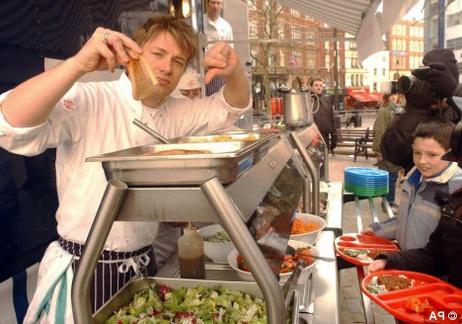
Jamie Oliver started in West Virginia public schools, revamping their cafeteria conundrums. Now he's fighting with the LA Unified School District, and some are wondering if this star chef can really revolutionize unhealthy schools.

Obesity has become an epidemic in the United States, and the incidences of diseases related directly to weight continue to rise. To help combat this problem, English chef Jamie Oliver has created his own form of "reality television," heading into the lunchrooms of public schools across the country in an attempt to transform the way Americans look at and eat foods from a young age. Oliver's program, "Food Revolution," spent its first season inside schools in West Virginia, transforming school lunches and breakfasts into healthier fare. During the second season, Oliver planned to bring his healthy food program to schools in Los Angeles – but sometimes, things don't go quite the way we plan.

The Conflict

Jamie Oliver had planned to head into the school cafeterias in Los Angeles in a similar fashion to the way he moved into West Virginia schools – getting a full assessment of the current condition of lunches and breakfasts served through the school system. However, Los Angeles schools were not as willing to comply with Oliver's requests, and his cameras were denied access completely to any Los Angeles school cafeterias. Administrators for the schools said on a Wall Street Journal blog that previous negative experience with reality TV shows left them unwilling to bring any more drama to the Los Angeles school stage.

"This is not a boutique cafe operation," outgoing Los Angeles Unified

. . .read more

Tuberculosis at Public Schools: Symptoms and Precautions

Updated
|
Tuberculosis at Public Schools: Symptoms and Precautions
Public schools have been the recent grounds of tuberculosis infections. Learn about the symptoms and how to protect your child from catching tuberculosis.

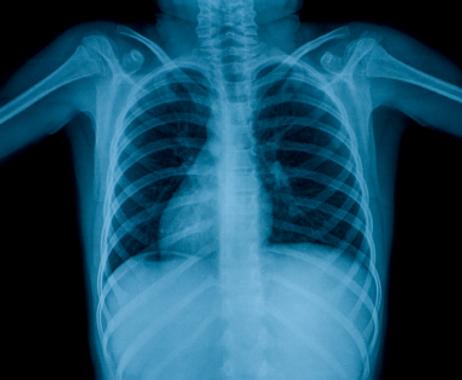
Tuberculosis is often thought of as a disease that primarily strikes underserved communities and regions with limited healthcare access. However, recent cases of tuberculosis in public schools in the United States have raised new concerns about the illness right here at home. While the risk of getting tuberculosis in this country is still relatively rare, it is not completely out of the question. This article will explore the new cases of tuberculosis that have been reported at schools around the country, as well as a brief overview of the illness and some of the symptoms to watch.

What is Tuberculosis?

According to the Centers for Disease Control and Prevention (CDC), tuberculosis (TB) is an infectious disease caused by the bacterium Mycobacterium tuberculosis. These bacteria can survive in the body for years in a dormant state, which explains why some people can test positive for the infection but not present with any symptoms of the disease. While tuberculosis ran rampant during the past two centuries, incidences of the disease are much lower today in most industrialized nations. However, in other parts of the world, tuberculosis is still a big problem, and health experts estimate that around one-third of the world's population is infected.

How is Tuberculosis Spread?

Tuberculosis is spread through the air when a person who has an active form of the illness coughs, sneezes, or talks, but it takes significant exposure over a period of time to actually "catch" the disease. The CDC

. . .read more

Healthy School Meals: Salad Bars

Updated
|
Healthy School Meals: Salad Bars
Learn how school salad bars have evolved and why fresh fruits and vegetables remain a key part of public school nutrition programs in 2026.

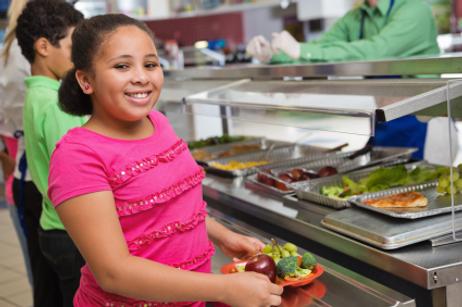
Forget the days of "pigs-in-a-blanket" and pizza for lunch. Today's public schools continue to embrace healthier meal options, with fresh fruits and vegetables playing a larger role in school cafeterias than ever before. School salad bars, once considered an innovative idea, have become a familiar feature in many districts across the country.

One of the earliest national efforts to bring fresh produce into school cafeterias was the "Let's Move Salad Bars to Schools" initiative. The program was launched at Riverside Elementary School in Miami, Florida, making the school one of the first elementary schools in the nation to offer students regular access to a dedicated salad bar filled with fresh fruits and vegetables.

More than a decade later, the goals behind that initiative remain highly relevant. As schools continue to focus on student wellness, nutrition education, and healthier eating habits, salad bars remain an important tool for helping children make nutritious food choices.

The Choice of Riverside

Riverside Elementary was chosen as an early participant in the initiative because students had already begun growing their own garden, filled with tomatoes, eggplant, kale, and other produce. School leaders hoped the garden would eventually provide fresh ingredients that could be incorporated into lunches and snacks served through the salad bar.

The garden was grown in cement boxes because the school did not have additional land available for larger-scale planting. Even so, the project demonstrated how schools can incorporate hands-on nutrition education into everyday learning.

Many of the Riverside students were

. . .read more

Recent Articles

When “Free Public School” Still Isn’t Free
Discover the hidden costs of public school in 2026, from supplies and fees to transportation, technology, and extracurricular expenses.
What a District Budget Cut Means for Your Child's School Experience
Learn how district budget cuts can affect class sizes, programs, staffing, transportation, and your child's daily school experience in 2026.
School Closure Risk: What Parents Should Check Before Moving
Learn how parents can assess school closure risk before buying or renting in a district, using enrollment, funding, and boundary data.