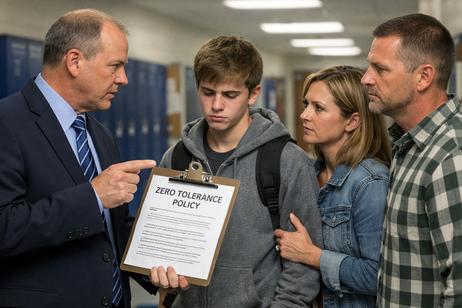
Zero tolerance policies in public schools were originally designed to create safer learning environments by enforcing strict, predetermined consequences for specific behaviors. First widely adopted during the 1990s, these policies expanded rapidly in response to concerns about school violence and drug use. Today, zero tolerance remains a familiar term for parents and educators, but its application, impact, and public perception have evolved significantly.
As families plan for upcoming academic cycles, many are asking practical questions. How are discipline policies enforced today? Do zero tolerance rules affect school choice or enrollment decisions? What are the legal and emotional consequences for students? This updated article examines how zero tolerance policies function in modern public schools, the costs and challenges associated with them, and what parents should understand when advocating for their children.
What Are Zero Tolerance Policies?
Zero tolerance policies mandate specific disciplinary actions, often suspension or expulsion, for defined infractions regardless of intent or circumstances. Commonly cited violations include weapons possession, drug-related offenses, and serious acts of violence. In some districts, earlier versions of these policies also applied to less severe behaviors such as verbal threats or repeated classroom disruptions.
While federal law still requires strict disciplinary responses for certain offenses, particularly firearms on campus, many states and districts have revised their policies to allow greater administrative discretion. Today, zero tolerance is less likely to mean automatic punishment and more likely to exist as a framework within broader student discipline codes.
How Policies Have