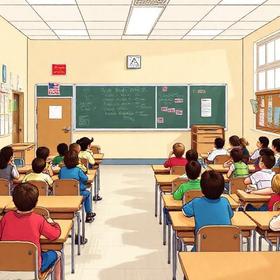
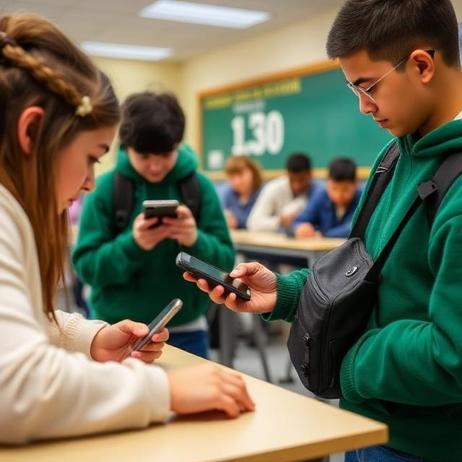
School cell phone bans have moved from a local school policy debate to a nationwide education trend. In 2026, public school districts across the United States are implementing stricter restrictions on student smartphone use, while many states have enacted laws requiring schools to adopt phone-free learning environments.
For parents, the shift raises important questions. Will banning phones improve learning? How do schools handle emergencies? What happens when students need technology for educational purposes?
This guide explains what school cell phone bans look like in 2026, why they are becoming more common, and how families can prepare.
Why School Cell Phone Bans Are Expanding
The primary argument behind school cell phone bans is simple: educators believe smartphones are a major source of distraction.
Recent data from the National Center for Education Statistics found that more than half of public school leaders reported negative effects from student cellphone use on academic performance, while even larger percentages cited concerns about attention spans and mental health. According to NCES, 77% of public schools already prohibit cellphone use during class time.
Parents may be surprised to learn that the movement is no longer limited to individual districts. Several states have adopted statewide restrictions or requirements that schools create formal cellphone policies, making phone-free classrooms a mainstream education policy rather than an experimental approach.
For many educators, the goal is not to eliminate technology. Most schools already provide students with district-issued laptops or tablets for instruction. Instead, the focus is reducing nonacademic distractions caused